Your Go-To Guide for Chemical Pump Manufacturers: Quality, Safety, and Performance
Imagine you’re in charge of a factory. Your team is moving a powerful, corrosive liquid from one tank to another. Suddenly, the pump handling this tough job starts leaking, sputtering, and finally gives up. Now you have a costly mess, a halted production line, and a major safety risk. This is the kind of nightmare a reliable chemical pump is designed to prevent.
Choosing the right equipment isn't just about buying a machine; it's about investing in the safety and efficiency of your entire operation. This is where the expertise of trusted Chemical Pump Manufacturers becomes your most critical asset.
In this simple guide, we’ll walk you through everything you need to know about chemical pumps, how to pick the right one, and why your choice of manufacturer matters more than you might think.
 |
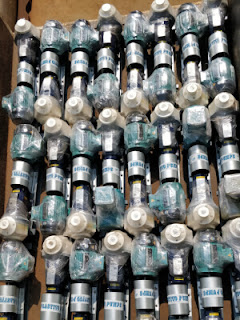
| Chemical Pump |
So, What Exactly is a Chemical Pump?
In simple terms, a chemical pump is a special type of pump designed to safely handle aggressive, dangerous, or high-purity liquids. Think of acids, solvents, caustic sodas, chlorine, or even ultra-pure water for pharmaceuticals. You can't use just any pump for these jobs.
A standard water pump would corrode, break down, and contaminate the fluid in no time. A chemical pump, however, is built with specific materials and sealing technologies that can resist attack, maintain their strength, and ensure the liquid is transferred without any contamination or leakage. It’s the difference between a regular plastic bottle and a heavy-duty, chemical-resistant jerrican.
How Does a Chemical Pump Actually Work?
While there are different types (which we'll get to soon), the basic working principle is straightforward. A chemical pump creates a flow and pressure to move a liquid from one place to another.
The Suction: An electric motor or engine drives an impeller (a rotating disc with curved blades) inside a sealed chamber. As the impeller spins, it creates a low-pressure area, essentially "sucking" the chemical liquid into the pump.
The Push: The spinning impeller then flings the liquid to the outside, building up energy and pressure.
The Discharge: This pressurized liquid is then forced out through the discharge outlet and pushed through pipes to its destination.
The magic isn't just in the movement; it's in the materials. The parts of the pump that touch the chemical—like the casing, impeller, and seals—are made from special, non-reactive plastics or alloys. This is the core of what reputable Chemical Pump Manufacturers specialize in: matching the perfect material to your specific chemical.
Why Are These Pumps So Important? The Key Benefits.
You don't use a chemical pump because you want to; you use it because you have to. The benefits are all about safety, reliability, and cost-effectiveness.
Unmatched Safety: This is the number one reason. They prevent dangerous leaks and spills that could harm personnel, damage equipment, and pollute the environment.
Corrosion Resistance: They are built to last when in constant contact with substances that would quickly destroy ordinary metals.
Process Reliability: A dependable pump means your production line keeps running smoothly. No unexpected shutdowns, no lost batches, and consistent output.
Purity Maintenance: In industries like food, pharmaceuticals, and semiconductors, even a tiny bit of contamination from a pump's metal parts can ruin an entire product batch. Chemical pumps made from inert plastics ensure the fluid stays pure.
Long-Term Cost Savings: While the initial investment might be higher, a well-chosen chemical pump reduces maintenance costs, downtime, and replacement frequency, saving you significant money over time.
You'll find these pumps hard at work in water treatment plants, chemical processing industries, pharmaceutical labs, textile factories, and fertilizer plants—anywhere aggressive fluids are part of the daily process.
What Types of Chemical Pumps Are Available?
Not all chemicals or applications are the same, so neither are the pumps. Here are the most common types you’ll encounter:
Centrifugal Pumps: The most common workhorse. They use that spinning impeller we talked about to move large volumes of liquid efficiently. Ideal for lower-viscosity (thinner) chemicals.
Sealless Magnetic Drive Pumps: A game-changer for safety. These pumps use powerful magnets to drive the impeller, eliminating the need for a physical shaft seal—the most common point of failure and leakage. They are perfect for handling toxic, expensive, or hazardous fluids.
Diaphragm Pumps: These use a flexible diaphragm that moves back and forth to create a pumping action. They are excellent for handling sludges, slurries, and very viscous liquids, and can even run dry for short periods without damage.
Vertical Pumps: Designed to be submerged in a tank or sump, they are great for saving floor space and are often used for emptying chemical storage containers.
Important Points to Know Before You Buy
Selecting a pump is a big decision. Here’s a checklist of what you must consider:
Chemical Compatibility: This is non-negotiable. What exact chemical are you pumping? What is its concentration and temperature? The material of the pump (like PVDF, Polypropylene, or SS 316) must be perfectly compatible.
Flow Rate and Pressure: How much liquid do you need to move per hour (flow rate), and how much resistance does it need to overcome (pressure)?
Temperature and Viscosity: Is the chemical hot or cold? Is it thin like water or thick like syrup? This affects the pump's power and material choice.
The Sealing System: Will a traditional mechanical seal work, or do you need the ultimate safety of a sealless magnetic drive pump? For hazardous chemicals, sealless is often the best choice.
Finding a Partner, Not Just a Product: The Role of VND Plastico Pumps Pvt. Ltd.
This is where the search for Chemical Pump Manufacturers gets serious. You need more than a supplier; you need a partner who understands your challenges. This is the philosophy we live by at VND Plastico Pumps Pvt. Ltd.
For over 15 years, we haven't just been selling pumps; we've been providing solutions. We specialize in crafting high-quality, non-metallic pumps from materials like PVDF, which offers exceptional resistance to even the toughest chemicals. When you work with us, you get:
Expert Guidance: Our team helps you navigate the complex choice of materials and pump types, ensuring you get it right the first time.
Proven Reliability: Our pumps, especially our sealless magnetic drive models, are built for endurance in the toughest Indian industrial conditions.
A Safety-First Approach: We champion sealless technology to create a safer working environment for your team.
Choosing VND Plastico Pumps Pvt. Ltd. means investing in a partnership dedicated to keeping your operations running smoothly, safely, and profitably.
Conclusion: Make the Safe, Smart Choice
Choosing the right chemical pump is a critical decision that impacts your bottom line, your productivity, and most importantly, the safety of your people and plant. It pays to do your homework, understand your needs, and partner with a manufacturer you can trust.
Don't let a pump failure be the reason your production stops. Invest in quality, reliability, and expertise from the start.
Ready to find the perfect chemical pump for your application? Visit our website at VND Plastico Pumps to explore our products or speak directly with one of our experts.
Frequently Asked Questions (FAQs)
1. What is the most important factor when selecting a chemical pump?
The single most critical factor is chemical compatibility. You must ensure that every wetted part of the pump (the parts that touch the liquid) is made from a material that can resist your specific chemical, considering its concentration, temperature, and other properties.
2. Why should I choose a sealless magnetic drive pump?
Sealless pumps eliminate the primary source of leakage—the mechanical seal. They are the safest option for handling toxic, volatile, hazardous, or expensive chemicals because they prevent leaks entirely, protecting both your personnel and the environment.
3. What is PVDF, and why is it a preferred material?
PVDF (Polyvinylidene Fluoride) is a high-performance plastic known for its outstanding resistance to a very wide range of aggressive chemicals, including strong acids, halogens, and solvents. It also handles higher temperatures compared to other plastics, making it a versatile and durable choice.
4. Can you customize a pump for my specific needs?
Yes, reputable Chemical Pump Manufacturers like VND Plastico Pumps Pvt. Ltd. often offer customization. This can include changes in motor power, connection types, materials for specific parts, and even special coatings to suit unique application requirements.
5. How often does a chemical pump require maintenance?
Maintenance frequency depends on the pump type, the chemical being handled, and operating hours. Sealless magnetic drive pumps generally require less maintenance than sealed pumps. Always follow the manufacturer's guidelines, but regular checks of bearings (for centrifugal pumps) and overall performance are recommended.
6. My chemical is very abrasive. Which pump is best?
For abrasive slurries, an AODD (Air-Operated Double Diaphragm) pump is often a good choice. Its design and slower operating speed can handle abrasive particles more effectively than a high-speed centrifugal pump. The material of construction, like a specialized PVDF or polypropylene, is still key.
7. I need a pump for a high-purity application, like in pharmaceuticals. What should I look for?
For high-purity applications, you need a pump made from inert, non-contaminating materials (like high-grade PVDF) with a smooth, crevice-free internal surface. Sealless magnetic drive pumps are ideal as they prevent any risk of contamination from lubricants or seal wear particles.
Our Products: Chemical Pump Manufacturers, Centrifugal Chemical Process Pump Manufacturers, Acid Transfer Pump Manufacturers, Air Operated Diaphragm Pump Manufacturers,
Air Pump Manufacturers.
Source: https://penzu.com/journals/24199722/112523708


Comments
Post a Comment